Kawasaki vs Yokohama Where to Stay: 2026 Guide
Kawasaki vs Yokohama where to stay: transit times, price gaps, and verified hotels to help you pick the right base in the Tokyo–Yokohama corridor.
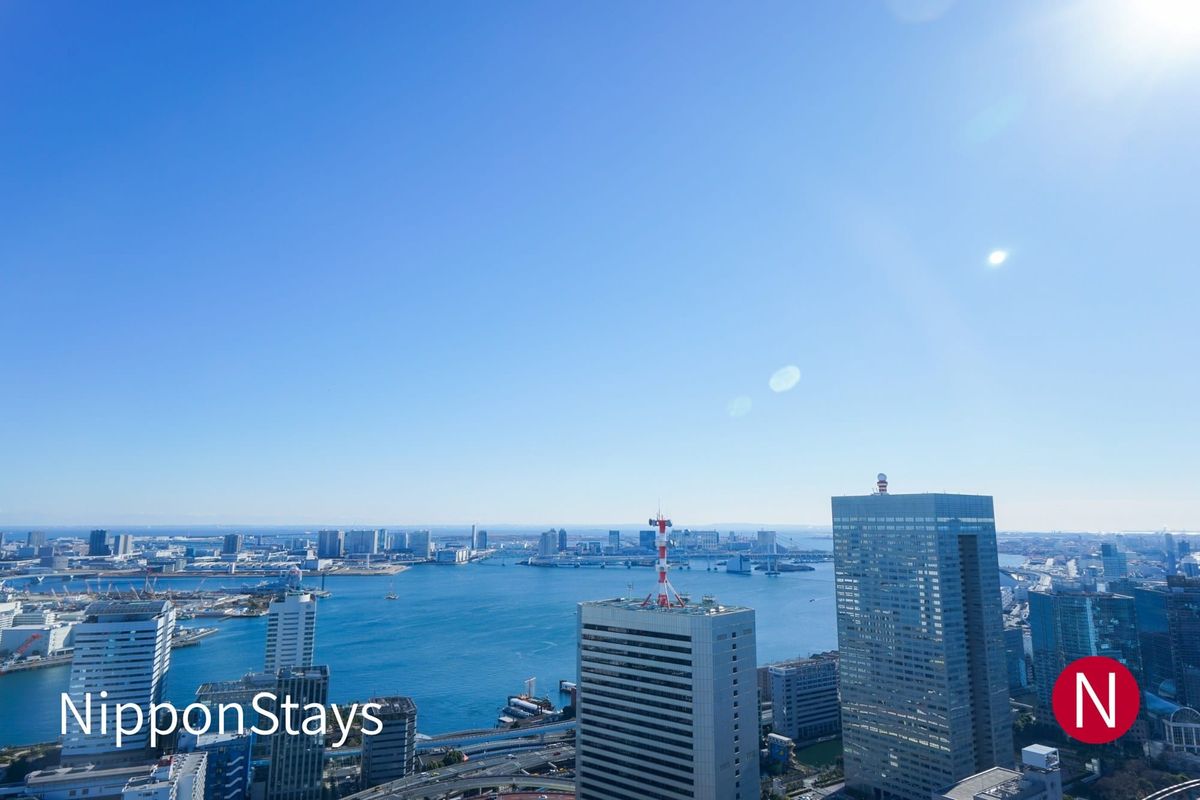
The decision between Kawasaki vs Yokohama where to stay is one of the most practical corridor questions for budget-conscious travelers in the Tokyo–Yokohama area. Both cities sit on the same JR Keihin-Tōhoku Line, both put central Tokyo within about 20 minutes, and both cost noticeably less per night than central Shinjuku or Ginza. But they serve opposite traveler profiles. Kawasaki is a dense transit hub with functional hotels and fast onward connections; Yokohama is a destination city with a waterfront district, Chinatown, and a night skyline worth staying in. The price gap — sometimes ¥3,000–¥6,000 per night for a comparable room standard — is the clearest reason to weigh both before booking. See also our full Kawasaki area guide and our Yokohama area guide for deeper dives into each city.
Some links in this guide are affiliate links. If you book through them, we may earn a commission at no extra cost to you.
Quick Verdict — Who Each City Suits
Stay in Kawasaki if:
- You want the cheapest reliable room in the Tokyo–Yokohama corridor and will be out sightseeing most of the day
- You have an early or late Haneda flight — about 15–20 min direct on the Keikyu Airport Line from Keikyu Kawasaki Station (Central Exit)
- Your itinerary is roughly split between Tokyo and Yokohama, and you want a midpoint
- You are staying one or two nights and the hotel is a base, not a destination
Stay in Yokohama if:
- Minato Mirai, Chinatown, Yamashita Park, or the harbor is part of why you came to Japan
- You want to walk to dinner without commuting
- You are on a celebration or anniversary trip and want harbor-view rooms with more space
- Tokyo is a day-trip destination rather than your primary focus
Access and Airport: The Transit Numbers
Both cities are served by the JR Keihin-Tōhoku Line, which runs through Kawasaki and Yokohama on the same track. From JR Kawasaki Station, Tokyo Station is about 21 min north and Yokohama Station is about 10 min south — trains run every 3–5 minutes. From Yokohama Station, Tokyo Station is about 28–30 min by JR Tōkaidō rapid service. That extra 8–10 minutes to Tokyo is the core transport trade-off: Kawasaki's midpoint position is its main advantage.
For Haneda Airport, Kawasaki holds a clear edge. The Keikyu Airport Line branches at Keikyu Kawasaki Station — about 15–20 min direct to the airport. From Yokohama, Haneda access involves Keikyu from Yokohama Station but takes roughly 25–30 min. If your trip includes an early morning or late-night Haneda flight, the Keikyu Kawasaki side is hard to beat for convenience.
The five properties below are all confirmed operating as of 2024–2025 and represent each city's main traveler segments. Rates vary by season.
| Name | Area | Price range | Best for |
|---|---|---|---|
| JR-East Hotel Mets Kawasaki | Kawasaki — JR Central-West Exit, 1-min walk | from ¥6,500 (rates vary by season) | Budget base, Tokyo in 21 min, luggage storage |
| Keikyu EX Inn Keikyu Kawasaki-Station | Kawasaki — Keikyu Central Exit, in-building | from ¥6,500 (rates vary by season) | Haneda Airport Line, early flights |
| Hotel Metropolitan Kawasaki | Kawasaki — JR Central-West Exit, 2-min walk | from ¥12,000 for two (rates vary by season) | Mid-range comfort, noon checkout |
| Richmond Hotel Yokohama Ekimae | Yokohama — near Yokohama Station | from ¥12,000 (rates vary by season) | Value Yokohama base, all-non-smoking rooms |
| The Yokohama Bay Hotel Tokyu | Yokohama — Minato Mirai, 1-min from Minatomirai Station | from ¥14,000 for two (rates vary by season) | Harbor views, full-service, occasion stays |
On Your Doorstep: Sightseeing vs Transit Practicality
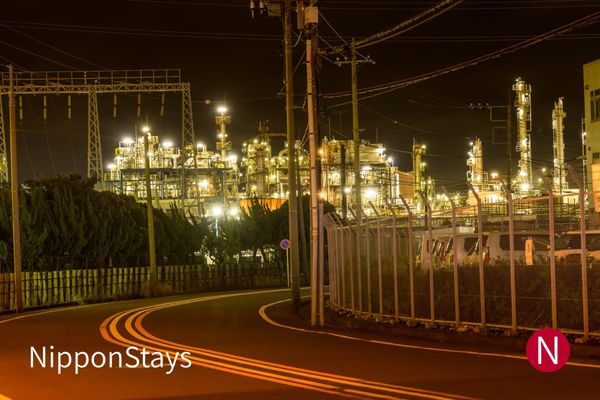
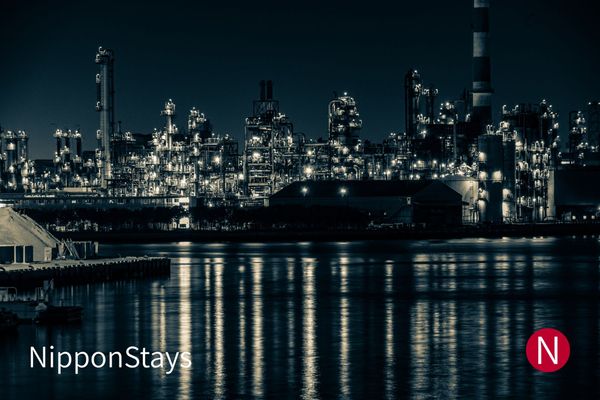
Kawasaki's immediate surroundings are functional rather than scenic. JR Kawasaki Station is flanked by Lazona Kawasaki Plaza (west) and the Atre and Azalea shopping complex (east) — useful for grocery runs, pharmacy stops, and late-night konbini, less useful for sightseeing. The city does have a niche appeal in its industrial waterfront factory night-view tours, but these are tour-group departures, not something you can simply stroll to; some areas of the industrial zone are closed to individuals entirely.
Yokohama, by contrast, delivers a walkable sightseeing agenda from multiple hotel locations. Minato Mirai's waterfront and the Cosmo Clock Ferris wheel are within a 10-min walk of hotels near Minatomirai Station. Chinatown (the largest in Japan) is a 15-min walk east of Yokohama Station or a single stop on the Minatomirai Line. Yamashita Park runs along the bay; the Yokohama Red Brick Warehouse is in the same precinct. If you want to spend a day in Yokohama — not just transit through — staying there saves round-trip train fares and adds spontaneous evening time.
The practical score: Kawasaki wins on price and Haneda access; Yokohama wins on on-site activity and atmosphere. Neither is "better" — they serve different trips.
Price and Room-Type Comparison
Budget rooms in Kawasaki (from ¥6,000 on a weekday off-peak night) consistently undercut equivalent rooms in central Yokohama by ¥3,000–¥6,000. The gap narrows for mid-range: a Hotel Metropolitan Kawasaki room starting from ¥12,000 lands at roughly the same price as Richmond Hotel Yokohama Ekimae, but the Yokohama location includes proximity to the city's main attractions.
Room size is comparable between the two cities at the business-hotel tier: 14–18 m² for a standard single, 18–25 m² for a standard double. Both Kawasaki and Yokohama have onsen-equipped options — Dormy Inn Kawasaki Natural Hot Spring on the Kawasaki side, various resort-adjacent properties in Yokohama. The Dormy Inn is about a 7-min walk from JR Kawasaki Station's Central-East Exit and has been confirmed operating with 2025 reviews; it starts from ¥9,000 and includes a rooftop onsen bath and complimentary late-night soba.
One cost often overlooked: transport adds up. A round-trip from Yokohama to Tokyo Station on JR costs roughly ¥930. From Kawasaki, it is roughly ¥620. Over a five-night stay with two Tokyo day-trips, the fare difference alone is about ¥3,100 — partially offsetting the room-rate premium in Yokohama. For a deep look at getting the most from the cheaper Kawasaki options, see cheap corridor stays.
How to Split Nights Between the Two
If your itinerary spans more than three nights and you want both cities, a practical split is two nights in Yokohama at the start and the remainder in Kawasaki. This lets you:
- Arrive in Yokohama for the first-impression walkabout and Chinatown dinner
- Move to Kawasaki for the cheaper nights while staying just as connected to Tokyo
- Handle any Haneda departure from the Keikyu Kawasaki side without a long transfer
The transfer between Kawasaki and Yokohama takes about 10 min on JR Keihin-Tōhoku. Moving between the two cities mid-trip is low-friction — storage at your new hotel before check-in is standard practice at the properties listed here, so you can leave bags at Hotel Metropolitan Kawasaki from 9 am and spend the morning in Yokohama before checking in at 3 pm.
Some travelers do the reverse: Kawasaki first for practical logistics (airport arrival, store supplies, unpack properly), then move to Yokohama for the final nights to finish the trip with atmosphere. Either direction works on the same ten-minute rail hop.
Head-to-Head Scorecard
The comparison below uses verified transit times and confirmed operating hotels. All prices are starting points; actual rates vary by season, day of week, and how far ahead you book.
| Category | Kawasaki | Yokohama |
|---|---|---|
| To Tokyo Station by train | ~21 min (JR Keihin-Tōhoku from JR Kawasaki) | ~28–30 min (JR Tōkaidō rapid from Yokohama Station) |
| To Yokohama Station | ~10 min (JR south) | On-site |
| To Haneda Airport | ~15–20 min (Keikyu Airport Line from Keikyu Kawasaki, Central Exit) | ~25–30 min (Keikyu from Yokohama Station) |
| Budget room floor | from ¥6,000 (rates vary) | from ¥9,000 (rates vary) |
| Sightseeing on foot | Shopping malls, dining; factory tours via booked tour groups only | Minato Mirai, Chinatown, Yamashita Park, Red Brick Warehouse |
| Best pick (budget–mid) | JR-East Hotel Mets Kawasaki — from ¥6,500 | Richmond Hotel Yokohama Ekimae — from ¥12,000 |
| Best pick (mid–upper) | Hotel Metropolitan Kawasaki — from ¥12,000 for two | The Yokohama Bay Hotel Tokyu — from ¥14,000 for two |
Book by Area
All hotels listed are confirmed operating as of 2024–2025 and accept bookings through major platforms. A few practical notes before you commit:
- Kawasaki, JR side: JR-East Hotel Mets Kawasaki (Central-West Exit, 1-min walk) and Hotel Metropolitan Kawasaki (Central-West Exit, 2-min walk) are the most accessible from the JR gates. Kawasaki Nikko Hotel (Central-East Exit, 1-min walk) opens check-in at 2 pm, an hour earlier than the standard.
- Kawasaki, Keikyu side: Keikyu EX Inn Keikyu Kawasaki-Station is in the Wing Kitchen building directly attached to Keikyu Kawasaki Station — the nearest hotel to the Airport Line platform for a Haneda departure.
- Yokohama, station area: Richmond Hotel Yokohama Ekimae is close to Yokohama Station, all rooms confirmed non-smoking as of our July 2026 check. A reasonable choice if you want Yokohama but prefer the transport hub to the waterfront.
- Yokohama, Minato Mirai: The Yokohama Bay Hotel Tokyu sits within Queen's Square Yokohama, a 1-min walk from Minatomirai Station on the Minatomirai Line. Best for travelers who have Yokohama's waterfront as an explicit part of their trip.
Weekend rates at both cities rise sharply on Friday and Saturday nights. If you can shift arrival to Sunday and departure to Thursday, the ¥6,000 floor in Kawasaki is reliably achievable. Yokohama's budget ceiling is higher and less forgiving on peak-season weekends — book at least two weeks ahead around Golden Week (late April–early May) or Obon (mid-August).
For a broader look at what the Kawasaki accommodation market offers across budget tiers, see our full Kawasaki area guide. For Yokohama-only properties and area breakdowns, see our Yokohama area guide.
FAQ: Kawasaki vs Yokohama — Where to Stay
Is Kawasaki or Yokohama cheaper to stay in?
Kawasaki is consistently cheaper. Budget rooms in Kawasaki start from ¥6,500 on weekday off-peak nights, while comparable Yokohama properties near the station start from ¥12,000. The gap narrows for mid-range options, but Kawasaki typically undercuts Yokohama by ¥3,000–¥6,000 per night at the same room standard. That saving is the main reason travelers heading to both Tokyo and Yokohama choose Kawasaki as a base.
How long does it take to get to Tokyo from Kawasaki and from Yokohama?
From JR Kawasaki Station, Tokyo Station is about 21 minutes north on the Keihin-Tohoku Line; trains run every 3–5 minutes. From JR Yokohama Station, Tokyo Station takes about 28–30 minutes by the Tokaido rapid service. That extra 8–10 minutes is the core transport trade-off: Kawasaki's midpoint position between Tokyo and Yokohama is its structural advantage for split itineraries.
Which city is better for a Haneda Airport connection?
Kawasaki is clearly better for Haneda. The Keikyu Airport Line branches at Keikyu Kawasaki Station's Central Exit and reaches Haneda Airport in about 15–20 minutes direct — no transfers. From Yokohama Station the Keikyu also serves Haneda but takes roughly 25–30 minutes. If your trip includes an early or late Haneda flight, the Keikyu Kawasaki side saves meaningful time and eliminates the risk of missing a connection.
Does Yokohama have more to do than Kawasaki for sightseeing?
Yes, significantly. Yokohama offers Minato Mirai's waterfront, Japan's largest Chinatown, Yamashita Park, and the Red Brick Warehouse — all walkable from hotels near Minatomirai or Yokohama Stations. Kawasaki's main visitor draw is its industrial factory night-view tours, which are organized departures rather than free-roam attractions; the factory zone is fenced and inaccessible to individuals. If Yokohama is part of why you came to Japan, staying there saves round-trip fares and adds spontaneous evening time.
Trip Essentials for Kawasaki
Things worth booking before you land, all in English:
- eSIM — Airalo's Japan eSIM: install it at home and data works as soon as you switch off airplane mode at Haneda. Comparing providers? See our Japan eSIM guide.
- Airport transfer — Welcome Pickups runs fixed-price door-to-door pickups from Haneda; Klook sells the airport bus and train tickets if you'd rather ride.
- Tickets and day trips — Klook covers Tokyo and Yokohama attraction tickets; booking ahead skips the ticket-window line.
Information audit: Last fact-checked July 2026 · Prices checked July 2026 (all rates are “from” floors that vary by season) · How this guide was researched: hotel facilities, prices and access details are verified against official and primary sources; we have not personally stayed at every property listed. The author commuted to work in Yokohama, next door, for many years · How this site verifies information: About NipponStays.