Ikebukuro vs Shinjuku Where to Stay: Tokyo Comparison
Ikebukuro vs Shinjuku where to stay: price gap, airport access, and which Tokyo hub fits budget travelers, families, and anime fans best.

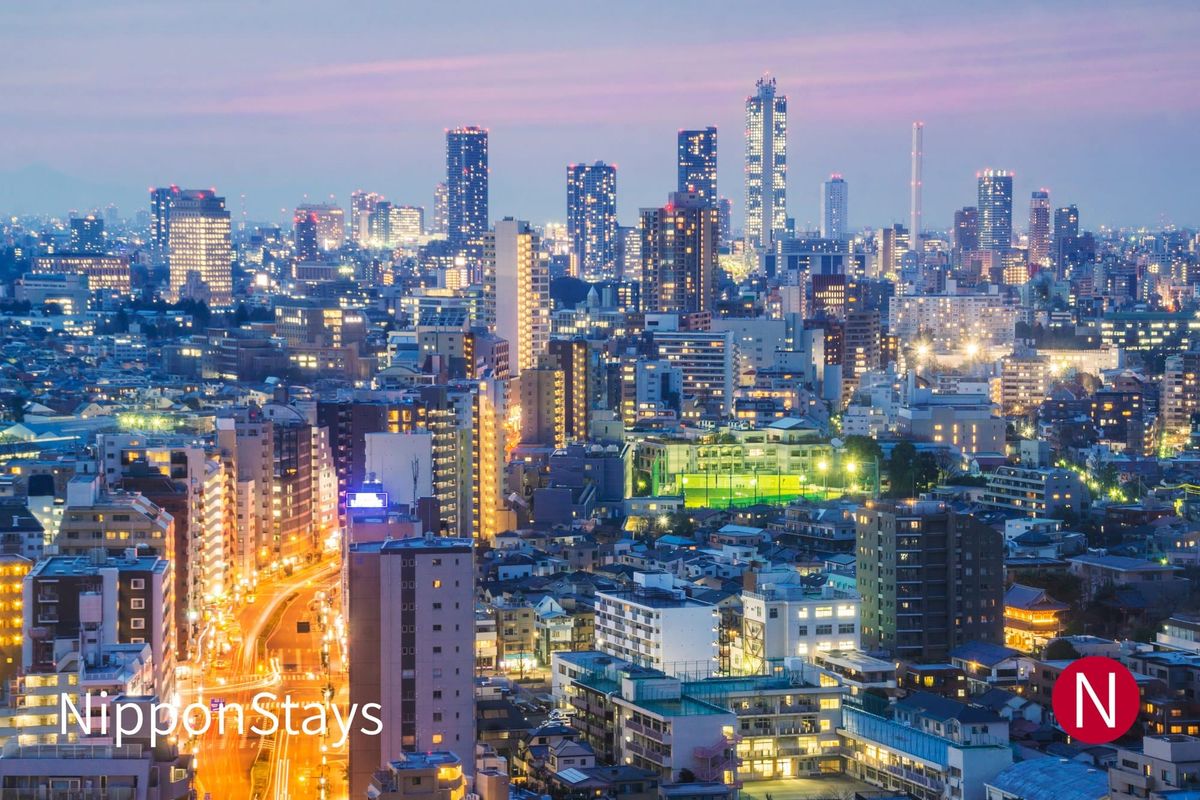
Ikebukuro vs Shinjuku where to stay comes down to one trade-off: choose Ikebukuro if budget and quieter nights matter more than nightlife, and Shinjuku if you want dining and entertainment on your doorstep. Dormy Inn Ikebukuro (from ¥13,000) suits budget travelers who want an onsen and free late-night ramen, while Hotel Gracery Shinjuku (from ¥16,000 for two) puts pop-culture fans in the middle of Kabukicho's dining and nightlife. Families do better at Sunshine City Prince Hotel (from ¥15,000) near Sunshine Aquarium with an airport limousine bus at the door. The condition that changes the answer: first-timers arriving by Narita Express should default to Shinjuku's Keio Plaza Hotel Tokyo (from ¥32,000) for the direct connection and upscale comfort, even though Ikebukuro runs 10-20% cheaper overall.
Some links in this guide are affiliate links. If you book through them, we may earn a commission at no extra cost to you.
Of the 5 hotels compared in this guide, 3 are in Ikebukuro and 2 are in Shinjuku; across all budget and mid-range pairings, the Ikebukuro options run 10–20% lower on nightly rate (checked July 2026).
Quick verdict — who should pick which
The table below gives you a representative hotel from each neighborhood at each price tier. All rates vary by season; check current availability before booking.
| Name | Area | Price range | Best for |
|---|---|---|---|
| Dormy Inn Ikebukuro | Ikebukuro | from ¥13,000 | Budget travelers who want an onsen and free late-night ramen |
| Tokyu Stay Ikebukuro | Ikebukuro West Exit | from ¥9,000 | Families and longer stays needing in-room laundry; 4-min walk from West Exit |
| Hotel Gracery Shinjuku | Shinjuku (Kabukicho) | from ¥16,000 for two | Pop-culture fans; central Shinjuku dining and nightlife access |
| Sunshine City Prince Hotel | Ikebukuro East Exit | from ¥15,000 | Families visiting Sunshine Aquarium; airport limousine bus at the door |
| Keio Plaza Hotel Tokyo | Nishi-Shinjuku | from ¥32,000 for two | First-timers arriving by Narita Express; upscale mid-range comfort |
For the full Ikebukuro picture, our full Ikebukuro area guide covers safety, neighborhood layout, and day-trip logistics. For a comparable overview of the other side of this comparison, see our Shinjuku area guide.
Price: Ikebukuro is generally 10–20% cheaper for a similar room
The gap is consistent and real, typically running 10–20% across budget and mid-range tiers. At the top end, where four-star properties start competing directly, the gap narrows but doesn't disappear.
The reason Ikebukuro stays cheaper is demand. Shinjuku draws far more international tourists and has a dense cluster of luxury and upper-mid hotels in the Nishi-Shinjuku skyscraper district — Keio Plaza, Hyatt Regency, Park Hyatt — pulling area averages up. Ikebukuro's hotel supply skews toward business travelers and domestic visitors, which keeps prices softer even during peak periods.
If you are working within an $80–$130 per night budget and want the best room for the money, Ikebukuro almost always wins. For a filtered list, see budget hotels in Ikebukuro.
Location and transport: lines, airport access, day trips
Both stations are major Yamanote Line stops — Shinjuku is roughly a 10-min ride south of Ikebukuro. From either you can reach Shibuya, Ueno, and Tokyo without a transfer.
Ikebukuro's lines: JR Yamanote, Saikyo, and Shonan-Shinjuku; Tokyo Metro Marunouchi, Yurakucho, and Fukutoshin lines; Seibu Ikebukuro Line; Tobu Tojo Line. One important note on orientation: the Seibu department store and Seibu line sit on the East Exit side, while the Tobu department store and Tobu line are on the West Exit side — the reverse of what the store names might suggest. Hotels near the station split across both exits, so confirm your specific hotel's exit when planning your arrival.
Shinjuku's lines: JR Yamanote, Saikyo, Shonan-Shinjuku, and Chuo/Sobu; Tokyo Metro Marunouchi and Shinjuku lines; Toei Shinjuku and Oedo lines; Odakyu and Keio private lines.
Airport access — Shinjuku has the edge. The Narita Express (N'EX) stops directly at Shinjuku Station; journey time from Narita Terminal 1 is approximately 80 minutes. From Ikebukuro, there is no direct N'EX service. Your options are: transfer at Shinjuku (adds roughly 10–15 minutes to the N'EX journey), or take an airport limousine bus. The Sunshine City Prince Hotel runs limousine bus service from its forecourt to both Narita and Haneda airports — useful if that is your hotel, but not an option from most other Ikebukuro properties.
Day trips — Ikebukuro has advantages here. The Tobu Tojo Line from Ikebukuro's West Exit reaches Kawagoe (about 30 min). The Seibu Ikebukuro Line from the East Exit serves Chichibu and Hanno. For Nikko, Tobu's limited-express Spacia runs directly from Ikebukuro. Shinjuku is better positioned for Hakone (Odakyu Romancecar) and Kamakura (Shonan-Shinjuku Line).
Vibe and what's on your doorstep
Ikebukuro: The commercial core is dense and practical. Sunshine City — a large shopping and entertainment complex — anchors the east side of the station. Take the East Exit and follow signs for about a 10-min walk. Directly behind Sunshine City you find Otome Road (a strip of women-oriented anime shops near Sunshine City), which draws a dedicated crowd of anime and manga fans. Beyond that, the neighborhood shifts quickly into residential blocks: izakayas, chain restaurants, covered shopping streets, and konbini at regular intervals. The evening atmosphere is calmer than Kabukicho and the late-night crowd near the station is manageable.
Shinjuku: Kabukicho is Tokyo's largest nightlife district, immediately northeast of the station — active, loud, and operating into the early hours. Golden Gai is a tightly packed network of tiny bars that has survived urban renewal. Omoide Yokocho (Memory Lane) lines a narrow alley near the West Exit with decades-old yakitori stalls. Shinjuku Gyoen is a short walk for anyone wanting a green morning. The density and variety of restaurant and bar options in Shinjuku is unmatched in Tokyo.
Short version: if your evenings look like anime shops, ramen, and an early night, Ikebukuro works cleanly. If they look like cocktail bars, izakayas until midnight, and back-alley dining, Shinjuku is the better base.
Best for solo travelers, women, couples, families, and first-timers
Solo travelers on a budget: Ikebukuro. The hotel-per-yen math works better, the station is easy to navigate at night, and compact business hotels within a short walk of the exits are plentiful. If you want an onsen after a long day of sightseeing, Dormy Inn Ikebukuro has a natural hot spring.
Solo women and women's groups: Ikebukuro gets a slight edge. Otome Road and Sunshine City create a day and evening circuit that is specifically popular with women travelers. The nightlife situation is considerably less intense than Kabukicho. Both neighborhoods are broadly safe — this is a preference question, not a safety one.
Couples: Depends on what you want. Shinjuku wins for dinner variety and late-night options; Ikebukuro wins on value, which frees up budget for experiences rather than room cost. A practical approach: stay in Ikebukuro, take the Yamanote to Shinjuku when you want the nightlife, and return by last train.
Families: Ikebukuro, specifically near Sunshine City. The Sunshine Aquarium, indoor theme park, and mall are in the same complex — fewer transport decisions when you have tired children. Sunshine City Prince Hotel connects directly to the complex. Check-in is from 15:00.
First-time visitors to Tokyo: Shinjuku gets a slight edge here — not because Ikebukuro is difficult, but because Shinjuku's direct N'EX connection removes one transfer on a tired arrival day from Narita. Once you have navigated Tokyo once, either hub is easy.
Head-to-head picks
One verified, currently operating hotel from each area, matched to traveler type. All rates vary by season.
| Name | Area | Price range | Best for |
|---|---|---|---|
| Dormy Inn Ikebukuro | Ikebukuro | from ¥13,000 | Solo budget traveler; onsen and free late-night ramen included |
| Hotel Gracery Shinjuku | Shinjuku (Kabukicho) | from ¥16,000 for two | Solo traveler or couple who wants Kabukicho dining and nightlife at the door |
| Hotel Metropolitan Tokyo Ikebukuro | Ikebukuro West Exit | from ¥12,000 | Couple or business traveler wanting a full-service hotel; 3-min walk from West Exit |
| Sunshine City Prince Hotel | Ikebukuro East Exit | from ¥15,000 | Family staying for Sunshine Aquarium; airport limousine bus from the forecourt |
| Keio Plaza Hotel Tokyo | Nishi-Shinjuku | from ¥32,000 for two | First-timer arriving by N'EX; 5-min walk from Shinjuku Station West Exit |
How to split nights between the two — verdict by traveler type
Switching hotels mid-trip is rarely worth the luggage shuffle for stays under ten nights. Instead, pick one base and use the 10-min Yamanote ride to visit the other.
- Value-first trip, 7 or more nights: Base in Ikebukuro. Spend two or three evenings in Shinjuku without moving your bags. The savings on accommodation fund those dinners.
- Short trip, 3–4 nights, first time in Tokyo: Base in Shinjuku. The direct N'EX arrival and concentration of dining options makes orientation faster.
- Anime and pop-culture focus: Ikebukuro for Otome Road proximity. Put the saved hotel money toward the shops rather than the room rate.
- Family with young children: Ikebukuro near Sunshine City. The self-contained complex significantly reduces the number of daily decisions.
- Mix of both: If you genuinely want equal time in both areas, consider five nights in Ikebukuro and two in Shinjuku — you're already paying more for Shinjuku, so minimizing nights there keeps the trip budget rational.
Either neighborhood leaves you roughly 10 minutes from the other by train, so you're not locking yourself out of anything. The choice is about home-base comfort and per-night cost, not about access.
Trip Essentials for Ikebukuro
Things worth booking before you land, all in English:
- eSIM — Airalo's Japan eSIM: install it at home and data works as soon as you switch off airplane mode at Haneda or Narita.
- Airport transfer — Welcome Pickups runs fixed-price door-to-door pickups from Haneda or Narita; Klook sells the airport bus and train tickets if you'd rather ride.
- Luggage storage — arriving before check-in? Radical Storage takes bags at shops near Ikebukuro Station for a flat daily rate.
- Tickets and day trips — Klook covers teamLab tickets, Sunshine Aquarium, and Tokyo day trips; booking ahead skips the ticket-window line.
FAQ: Ikebukuro vs Shinjuku — Where to Stay
Is Ikebukuro or Shinjuku cheaper for hotels?
Ikebukuro is consistently 10–20% cheaper than Shinjuku for a comparable room across budget and mid-range tiers. Dormy Inn Ikebukuro starts from ¥13,000 and Tokyu Stay Ikebukuro from ¥9,000, while similar categories in Shinjuku typically run higher. The gap narrows at the luxury end but doesn't disappear — Shinjuku's Nishi-Shinjuku skyscraper cluster pulls area averages up.
Which is easier to reach from Narita Airport — Ikebukuro or Shinjuku?
Shinjuku has the direct Narita Express (N'EX) connection, with journey time around 80 minutes from Narita Terminal 1. Ikebukuro has no direct N'EX service — you would need to transfer at Shinjuku, adding roughly 10–15 minutes, or take an airport limousine bus. If you are arriving from Narita tired on your first night, Shinjuku makes the easier landing base, with Keio Plaza Hotel Tokyo (from ¥23,000) just a 5-min walk from the West Exit.
Which area is better for anime, manga, and pop-culture sightseeing?
Ikebukuro is the better base for this. Otome Road — a strip of women-oriented anime and doujinshi shops near Sunshine City — is a 10-min walk from the East Exit. The Sunshine City complex also contains an indoor theme park and aquarium. Shinjuku's pop-culture options are more scattered and skew toward gaming arcades and broader electronics rather than anime retail.
Can I stay in Ikebukuro and still easily visit Shinjuku?
Yes. Shinjuku Station is approximately a 10-min ride south on the JR Yamanote Line from Ikebukuro, so you are not locked out of Shinjuku's restaurants, bars, and Golden Gai by basing yourself in Ikebukuro. The recommended approach for a value-first trip of seven or more nights is to base in Ikebukuro and use the Yamanote Line to reach Shinjuku for evenings — the hotel savings cover the train fare many times over.
Information audit: Last fact-checked July 2026 · Prices checked July 2026 (all rates are “from” floors that vary by season) · How this guide was researched: hotel facilities, prices and access details are verified against official and primary sources; we have not personally stayed at every property listed. The author has lived in Tokyo for 30 years · How this site verifies information: About NipponStays.